
Caw, look! A rook!

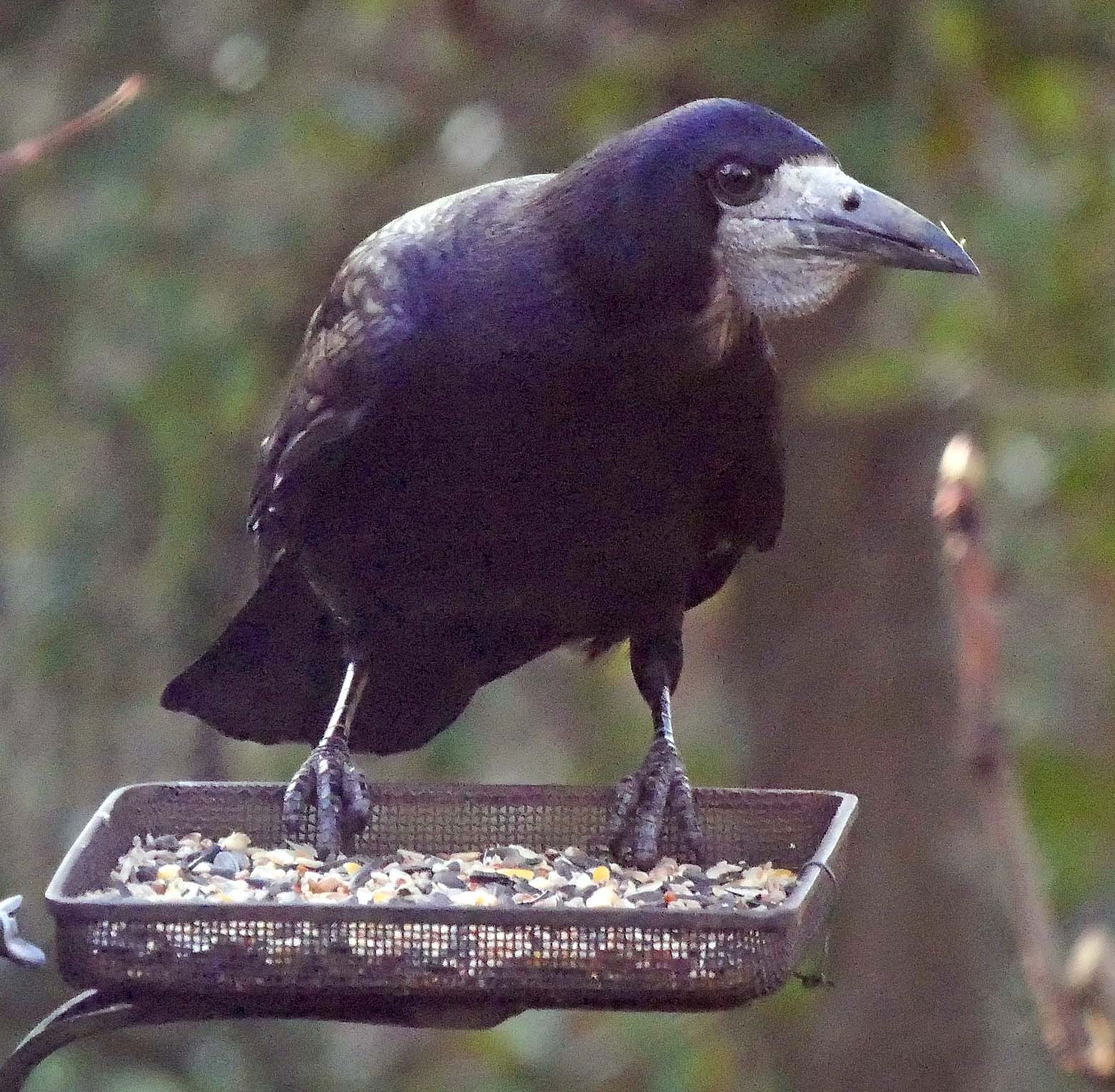
An unexpected visitor to the garden bird feeder this week: a rook. They don’t appear in the garden very often, but when they do it’s usually in early spring, when they are looking for twigs to renovate nests.
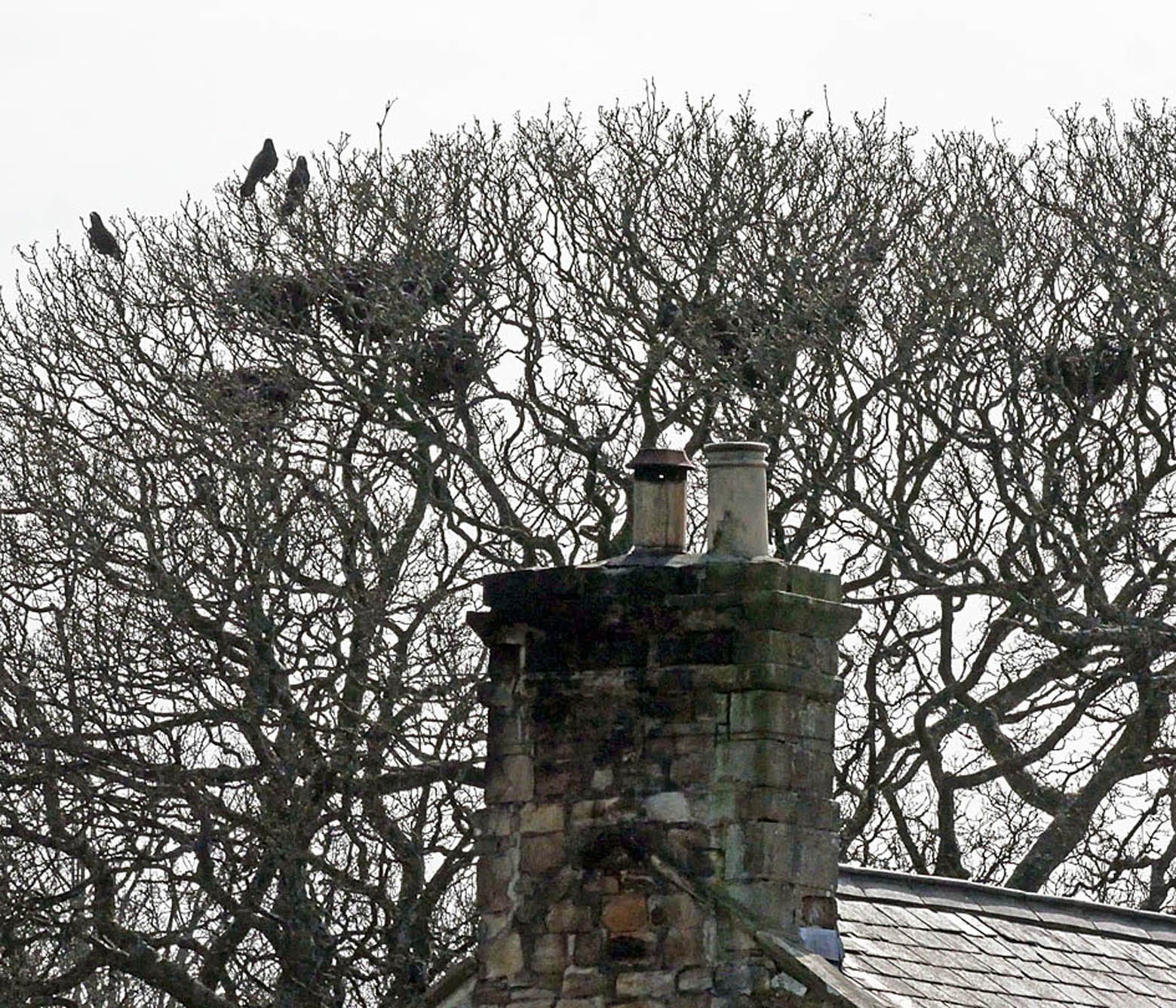
When we first came to live in this small market town in the foothills of the North Pennines, on the edge of farmland, we used to have two large rookeries close-by, but as the town has grown, with new housing around its margins, they’ve shifted their nests further away. It’s a long-term pattern of behaviour that has been well documented in many places: rooks generally do not tolerate a lot of disturbance under their rookeries.
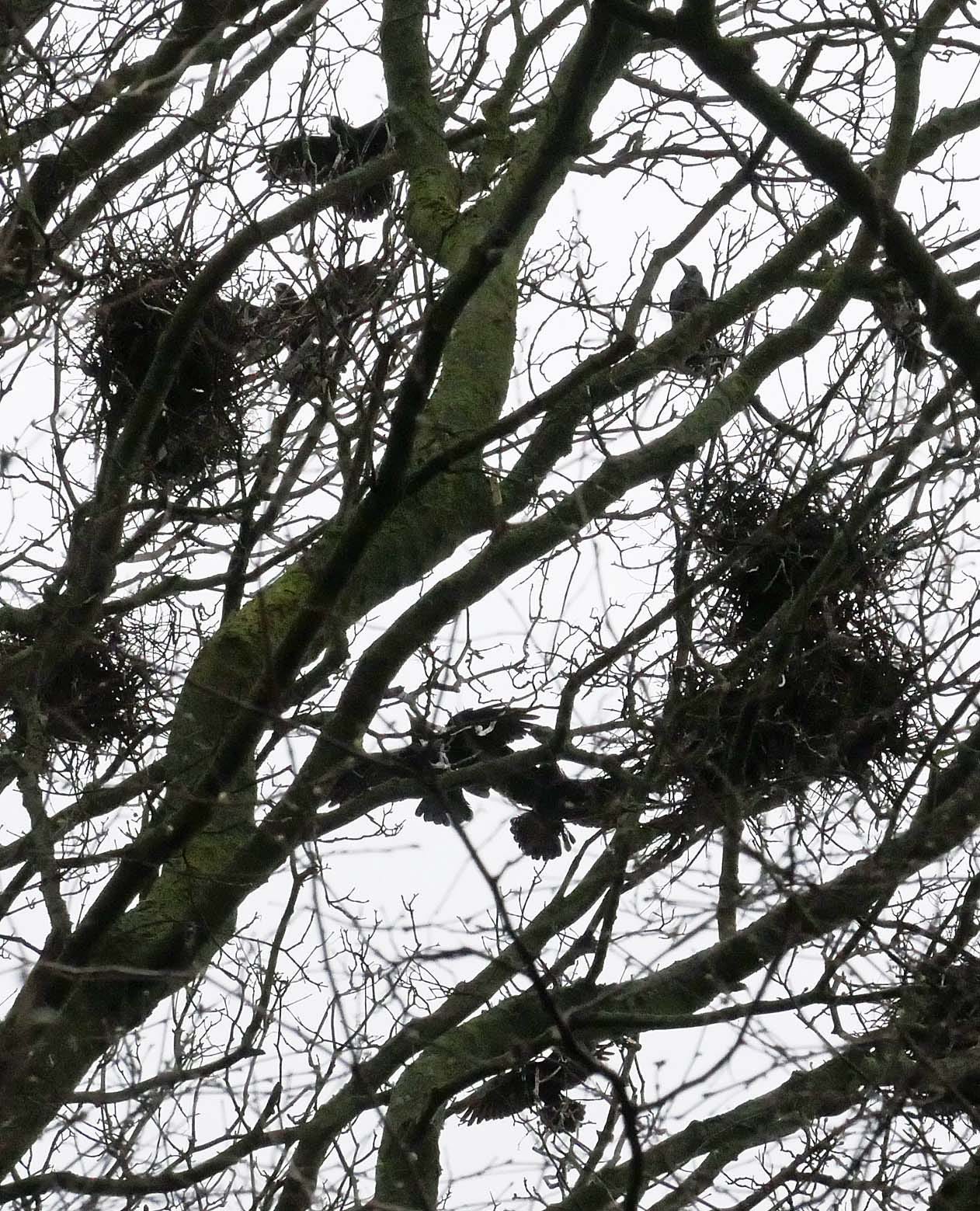
This is one of my favourite rookeries, with about a dozen nests high in the sycamores on the steep bank of the River Wear at Wolsingham, a few miles from home, and at this time of year it’s a cacophony of raucous cawing from rooks returning to their nests.
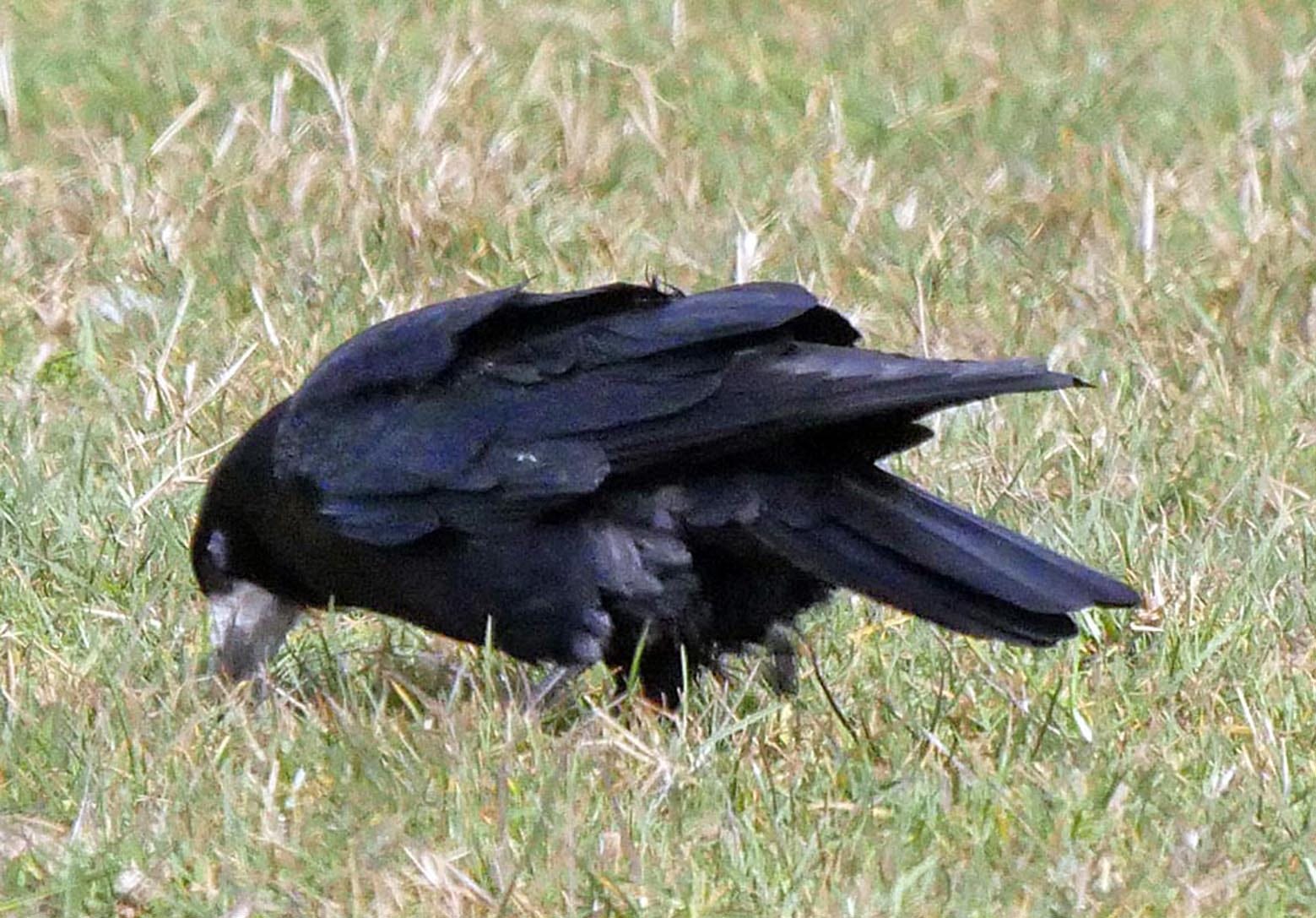
All winter they’ve paced the pastures, mostly silent, heads down, black-suited, baggy-trousered, as though searching for something lost in the grass. Now they gather again, a swirling, exuberant flock that seems like a celebratory reunion of winter’s survivors.
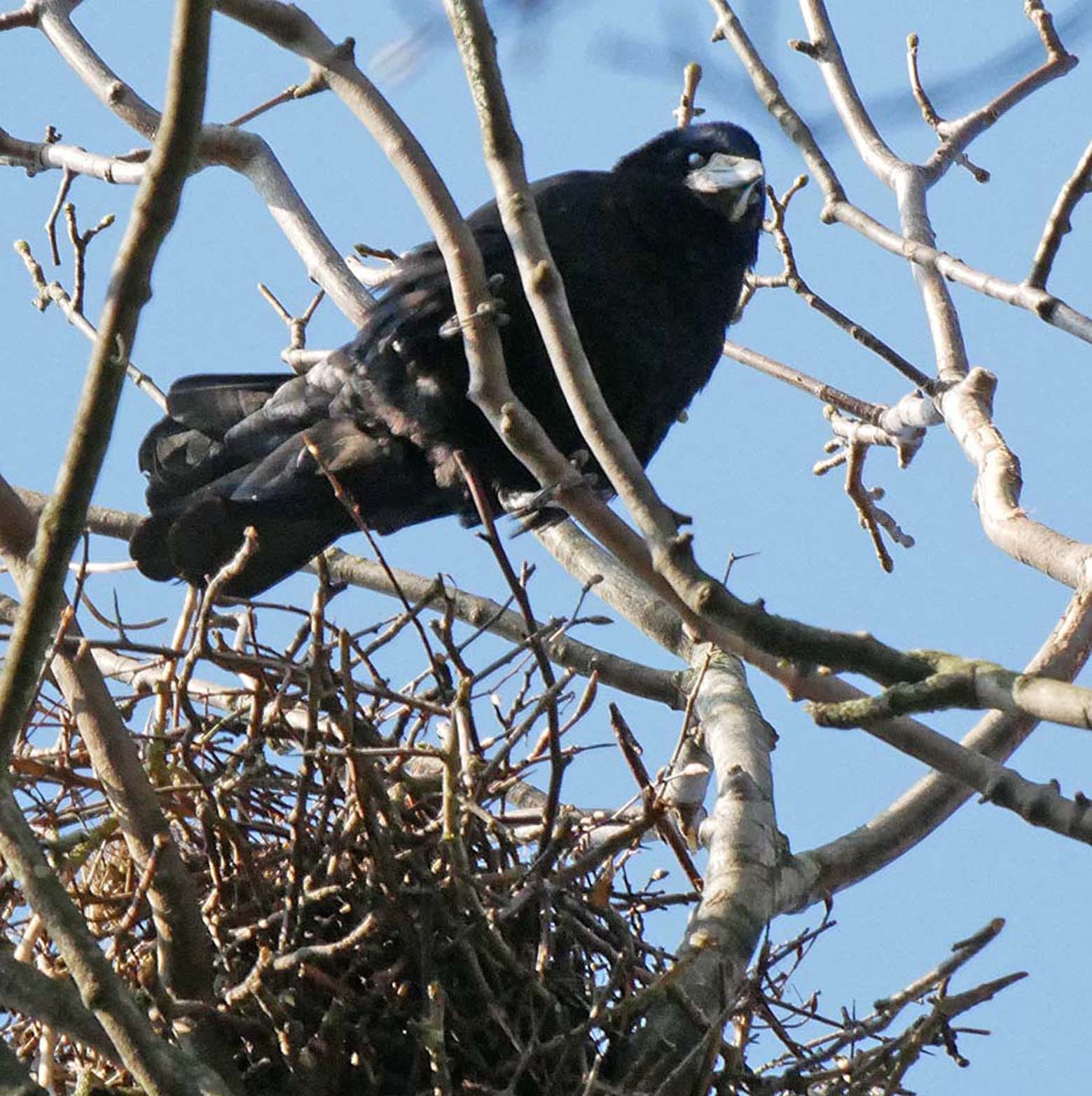
Visiting a rookery in spring has become something of a ritual because its sounds revive childhood memories.
In the 1950s, my grandmother worked on a farm in Sussex, looking after a floristry crop called statice, an everlasting cut flower that was dried and stored in a flint-knapped barn shaded by towering elms – home to a rookery.
In the school holidays I’d meet her to share lunch in the hayloft, sitting on a pile of hessian sacks, while sounds of the rookery murmured through the tiles. Hearing those discordant caws now can transport me through space and time, back to the stillness of the barn with its creaking floorboards and bundles of lavender-coloured dried flowers, where motes of dust hung in shafts of sunlight.
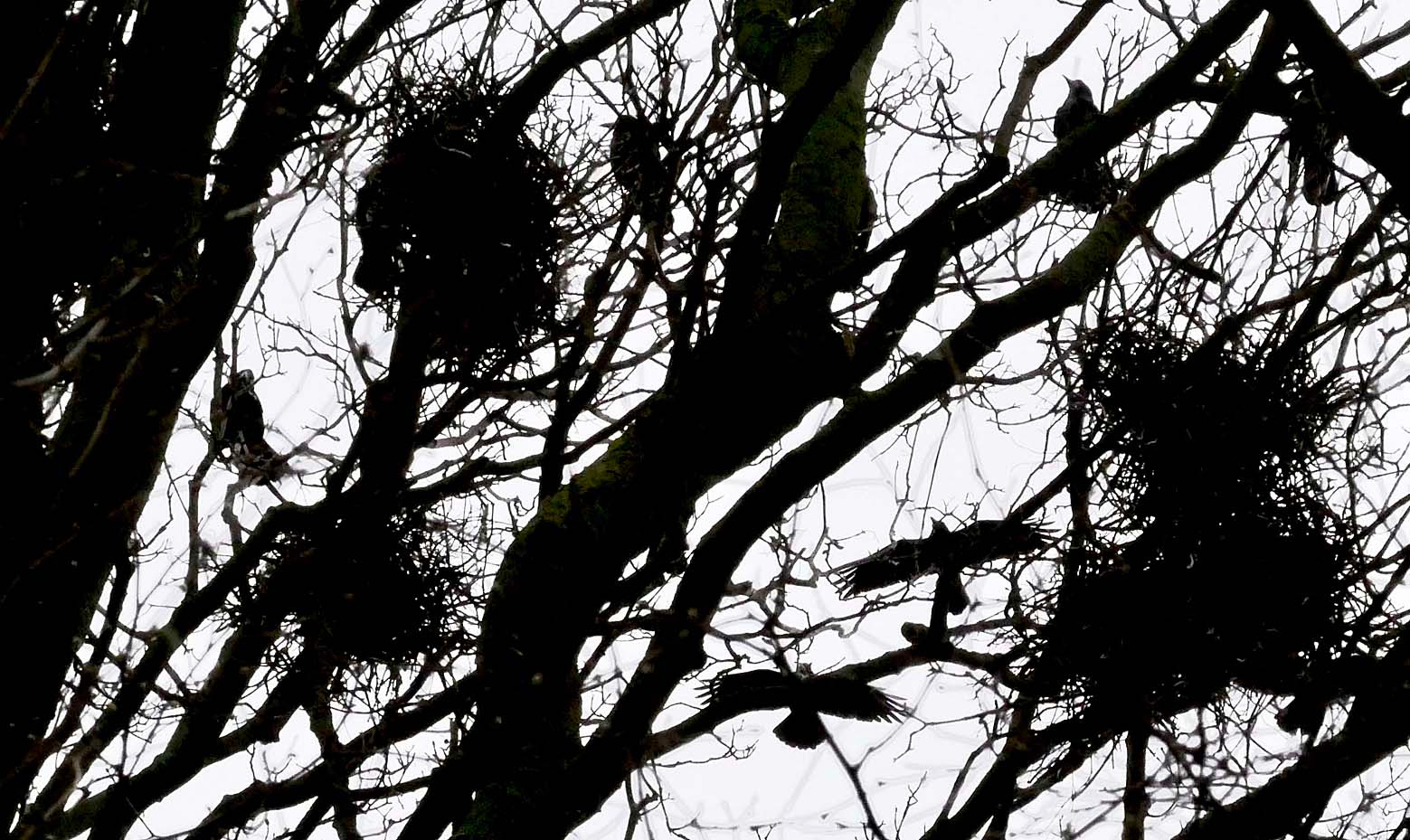
Peering up into a rookery on a windy spring day, at the swaying nests overhead, can be disorientating, unless you steady yourself by leaning against a tree trunk, feeling the transmitted power of the wind when the bole flexes against your back. Down below, earthbound, there is something Hitchcockian about those dark silhouettes wheeling overhead, with their broad wings, finger-like primaries and bony dagger beaks that prise insect grubs from grassroots.
The rooks ride the gusts, sometimes settling into what sounds like conversational cawing, often rising as a raucous flock for no obvious reason. A few bring twigs to repair nests, others seem to be here just to be sociable.
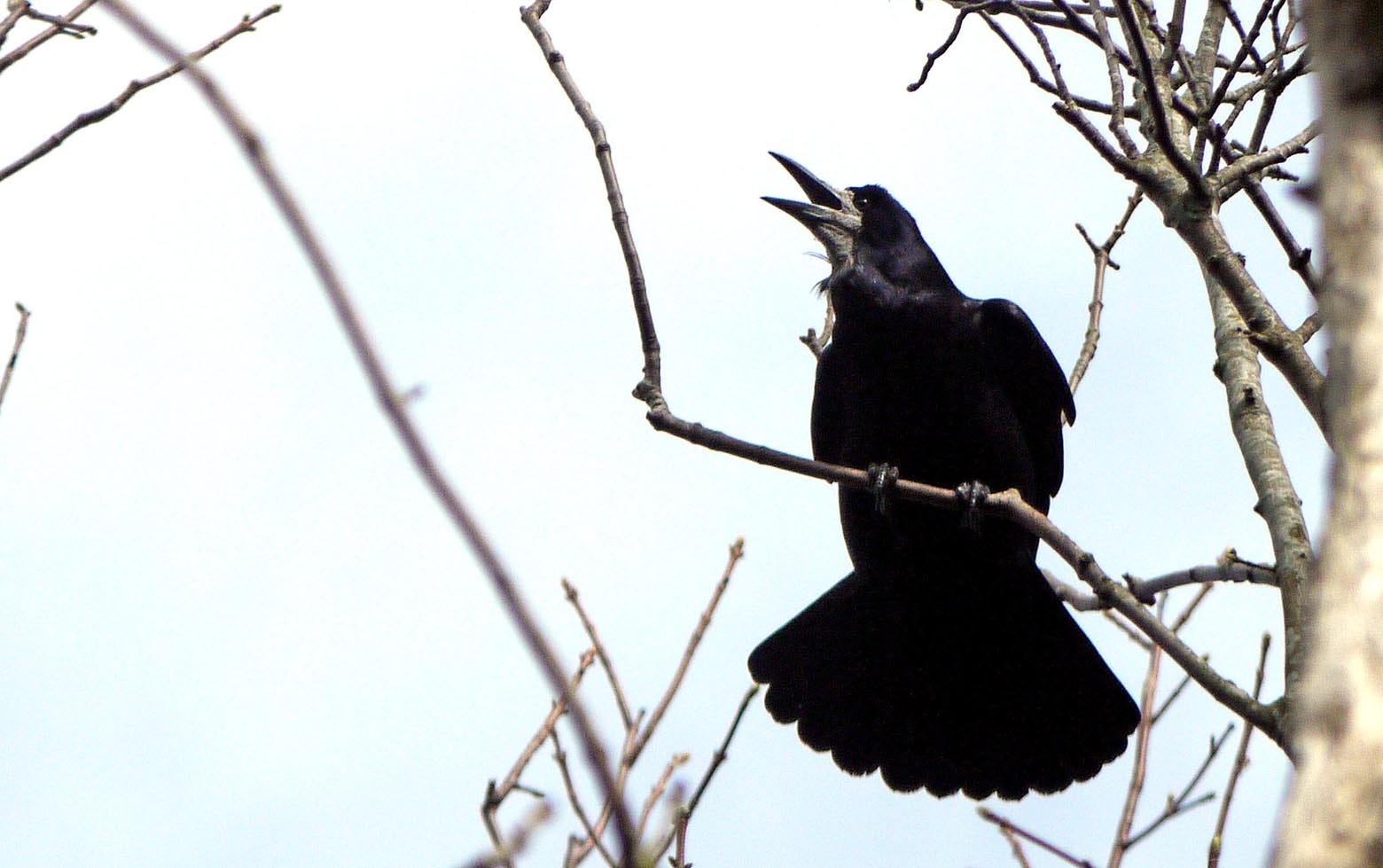
Females, perched on the edge of their great heaps of sticks, fan their tails when an interloper lands too close.
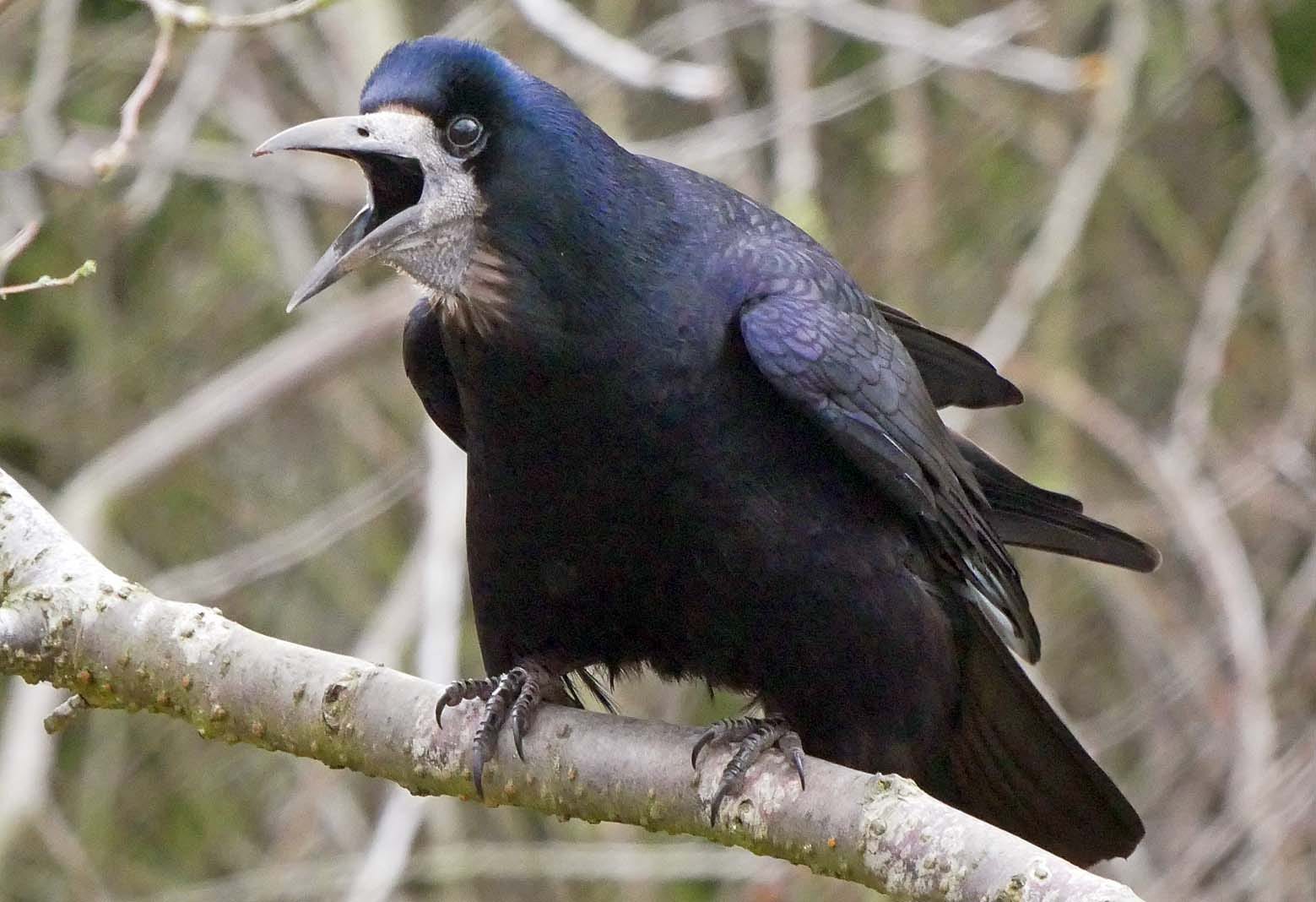
Occasionally, an early morning rook visitor to the garden will perch in a tree outside my window and then the rising sun sends shocks of indigo, green and purple iridescence through its glossy black plumage. There is a brutal beauty about these birds, and ancient mystery in their conversations carried on the wind.
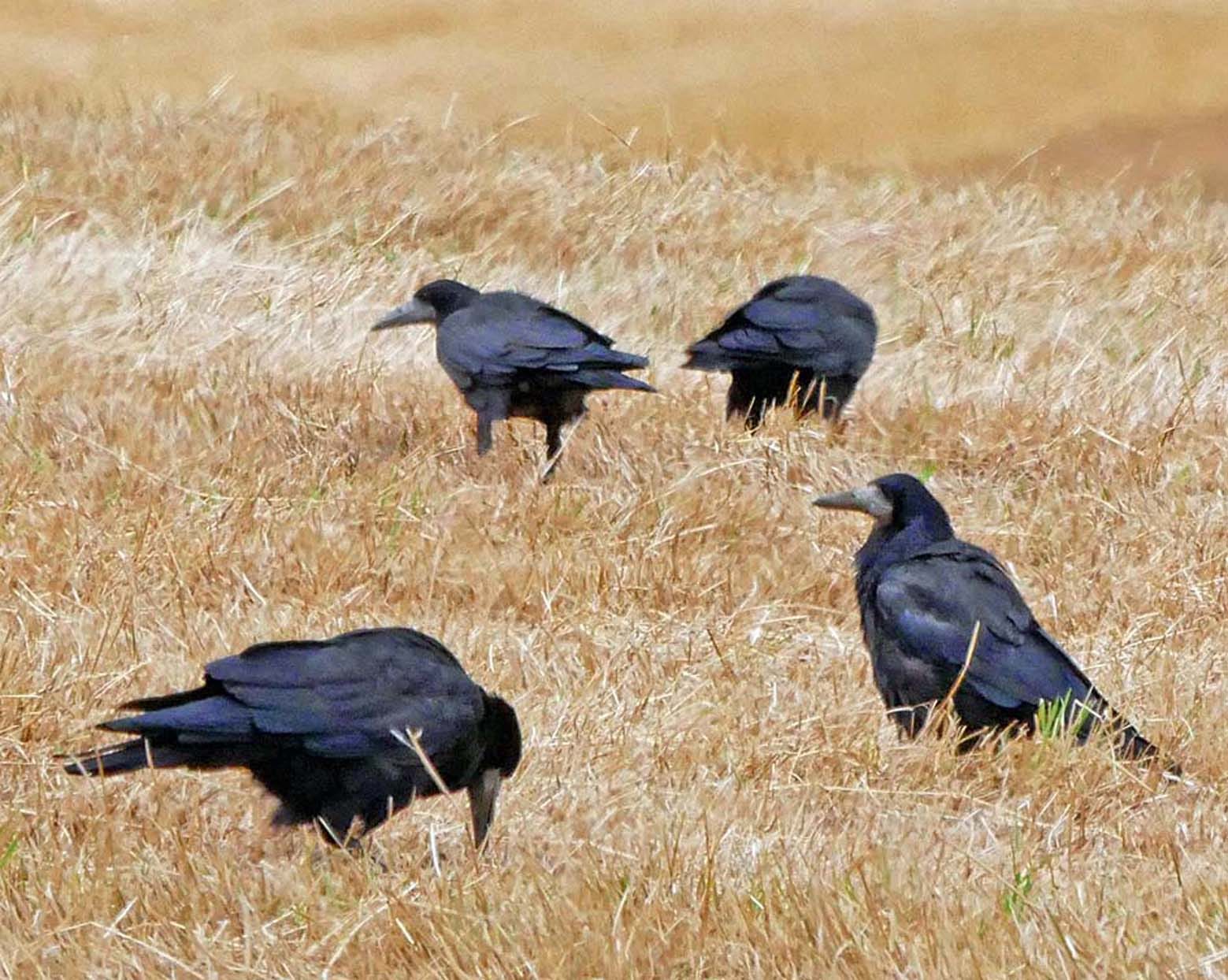
It seems strange to see these ungainly birds visiting the garden bird table because their pickaxe beaks seem ill-adapted for picking up sunflower and millet seeds, but they are birds with a very varied diet.
Come summer, after the harvest, when the breeding season is over, they’ll be pacing through local stubble fields, in the company jackdaws and crows, looking for wheat, barley and oat seed that the combine harvester dropped: nature’s gleaners at work.
Rooks are brilliant. A huge and wonderfully noisy flock of them passes over my house east to west every morning, though I’ve never managed to catch them returning in the evening!
I love rooks. We had them above a neighbouring vicarage when I was a kid. Learnt to love them then. They are interesting birds, full of personality- though not the most attractive to look at! I have a rookery now behind my caravan near Kendal, also in tall sycamores. It's rowdy from dawn til dusk all spring and summer, but I love it. You get used to the noise. I especially love it when they return en masse from the fields at dusk and discuss their day! I sit on my decking with a glass of wine to enjoy the spectacle. I also enjoy how they throw themselves into the wind like black rags- you can tell that they are having a great time. Been watching them repairing their nests this afternoon. I can watch them easily from my window. I am blessed. Great article. Thank you.